fake ID a felony in Ohio
This campus PSA is for students under 21 and the parents who care about them. It explains what typically happens when an underage student uses or tries to use an ID to buy alcohol or enter a bar in Ohio. It’s general information, not legal advice. Laws, university policies, and outcomes vary by facts and by court. If you’re facing a charge, talk to an Ohio‑licensed attorney.
Key takeaways
- In most campus door or bar scenarios, fake‑ID use leads to misdemeanor charges tied to underage alcohol and ID misuse—not automatic felonies.
- Conduct can escalate: altering or manufacturing IDs (forgery) or using someone else’s identity (identity fraud) may expose you to higher‑level charges.
- Expect both tracks: a criminal process (citation or arrest) and a university conduct process; first‑offense diversion may be possible in some jurisdictions.
Quick answer — is a fake id a felony in ohio?
Short answer: usually no in typical campus alcohol situations, but it can be. Most under‑21 encounters at doors, bars, or retail involve misdemeanor charges like underage purchase or possession under Ohio law and misuse of a driver’s license or state ID. However, if facts show manufacturing or altering an ID (forgery) or using another person’s identity (identity fraud), exposure can increase and, in some scenarios, reach felony levels.
Students often search “is a fake id a felony in ohio” after a door check or citation. The safer way to think about it is this: the more the conduct involves deception beyond mere possession or use (for example, creating or selling cards, or using someone else’s real identity), the higher the risk of serious charges.
- Underage alcohol prohibitions appear in Ohio Revised Code 4301.69 — underage purchase, possession, or consumption.
- Possessing, displaying, or using a fictitious, altered, or false driver’s license or state ID is classified as a first‑degree misdemeanor in Ohio Revised Code 4507.30.
Forgery (ORC 2913.31) and identity fraud (ORC 2913.49) are separate statutes that can apply on top of alcohol or ID‑misuse charges depending on facts.
What happens at the door or checkpoint?
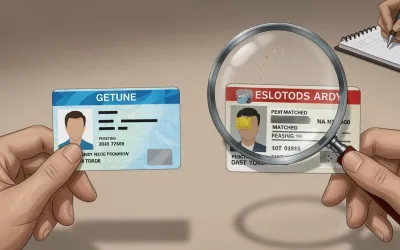
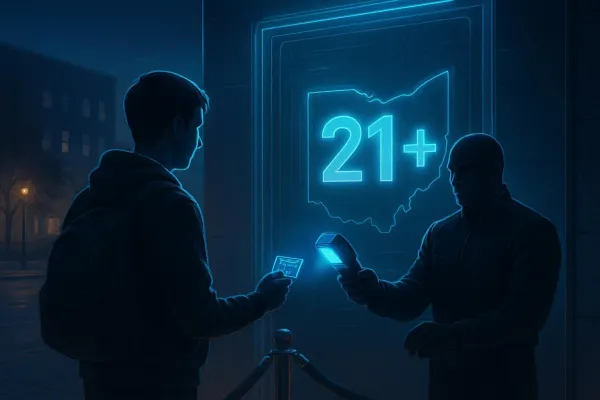
At bars, venues, or store counters, staff are trained to examine IDs closely. If they suspect a fake or borrowed ID, they can refuse entry or service and may contact campus or local police. You might be detained briefly while police respond, and the ID may be held for investigation. If officers believe an offense occurred, they can issue a citation or make an arrest depending on the situation. Keep calm, avoid arguing, and follow lawful instructions. Anything you say can be used later, so it’s okay to ask for a lawyer before answering questions beyond basic identification.
Ohio’s server training materials emphasize visual checks and comparing the person to the photo; scanning alone isn’t considered enough. That’s why a mismatch at the door often leads to further questions and potential police involvement.
What charges are common for students?
In campus alcohol settings, the most common charges include:
- Underage purchase, possession, or consumption under Ohio Revised Code 4301.69. Penalties and exceptions are defined in the statute.
- Using false information or a false ID to obtain alcohol (Ohio Revised Code 4301.634).
- Possessing, displaying, or using a fictitious, canceled, suspended, or altered driver’s license or state ID under Ohio Revised Code 4507.30 (classified as a first‑degree misdemeanor by the statute’s text).
Escalation risks include forgery (ORC 2913.31) when manufacturing or altering an ID, and identity fraud (ORC 2913.49) when using someone else’s real identity or personal data. Prosecutors decide what to file based on the facts, prior history, and local policy.
Will my license be suspended or will this stay on my record?
For ID‑misuse, Ohio Revised Code 4507.30 itself does not create a driver’s license suspension penalty. Other chapters of Ohio law can govern suspensions for different offenses, so outcomes vary case by case. Ask your attorney to check your specific charges.
Records can have long‑term effects. Many misdemeanors can be sealed if you qualify and a judge agrees. The process, timing, and exceptions are laid out in Ohio Revised Code 2953.32 — sealing of records. Sealing eligibility depends on the offense, your history, and the court’s discretion. A sealed record is generally hidden from public view, though law enforcement and some agencies may still access it.
Campus discipline, amnesty, and parent notice
Universities run a separate conduct process that can follow any police report or incident record. Sanctions can range from education modules to probation, housing consequences, suspension, or—rarely—dismissal, depending on the code and facts.
Some schools describe an amnesty concept that encourages students to seek help for serious situations without fear of formal conduct discipline for minor alcohol violations. The Ohio State University provides a clear explanation on its Student Conduct amnesty page. Amnesty is a university conduct concept, not a guarantee against law‑enforcement charges.
Parental notification is shaped by privacy law and campus policy. Under FERPA, schools generally protect student records and communicate with parents in limited circumstances or with student consent. Check your university’s Code of Student Conduct and privacy notices for exact rules.
First‑offense options and diversion
For some first‑time misdemeanor cases, prosecutors and courts may offer diversion programs that, if completed, can lead to dismissal. Availability and terms vary by county and by charge. As one example, Franklin County Municipal Court publishes fee schedules and program notes for its diversion offerings, including a modest enrollment fee in its schedule of local rules; see the court’s Local Rule Schedule 9.00 for diversion fees. Juvenile matters may have additional diversion pathways through county prosecutors or juvenile court services. Always confirm eligibility with your attorney or the local court.
For parents — how to support your student
Stay calm and focus on safety. Encourage your student not to argue with staff or police and to avoid making statements beyond basic identification until they’ve spoken with counsel. Help them track deadlines: first court appearance, any university meetings, and any counseling or education requirements. If your student is a minor, expect that officers or the court may contact you directly. Consider connecting with student legal services or a local attorney to understand options, including diversion and record sealing.
What to do next if you were cited
- Do not ignore the paperwork. Calendar the court date and any university deadlines immediately.
- Talk with an Ohio‑licensed attorney about the exact charges and whether diversion or a plea to a lesser offense is realistic.
- Keep copies of everything and save any proof of age‑appropriate alternatives you’re engaging in (education modules, counseling, community service) if advised by counsel.
- Avoid new violations. Additional incidents can change the charges and eliminate opportunities for diversion.
- Ask your attorney about long‑term steps, including eligibility for record sealing under Ohio Revised Code 2953.32.
Here’s the deal: the safest choice is to skip alcohol‑service venues until you’re 21 and to avoid using any ID that isn’t yours. If you’re wondering “is a fake id a felony in ohio,” the most reliable path is to prevent the situation in the first place—and to get qualified legal guidance fast if it already happened.