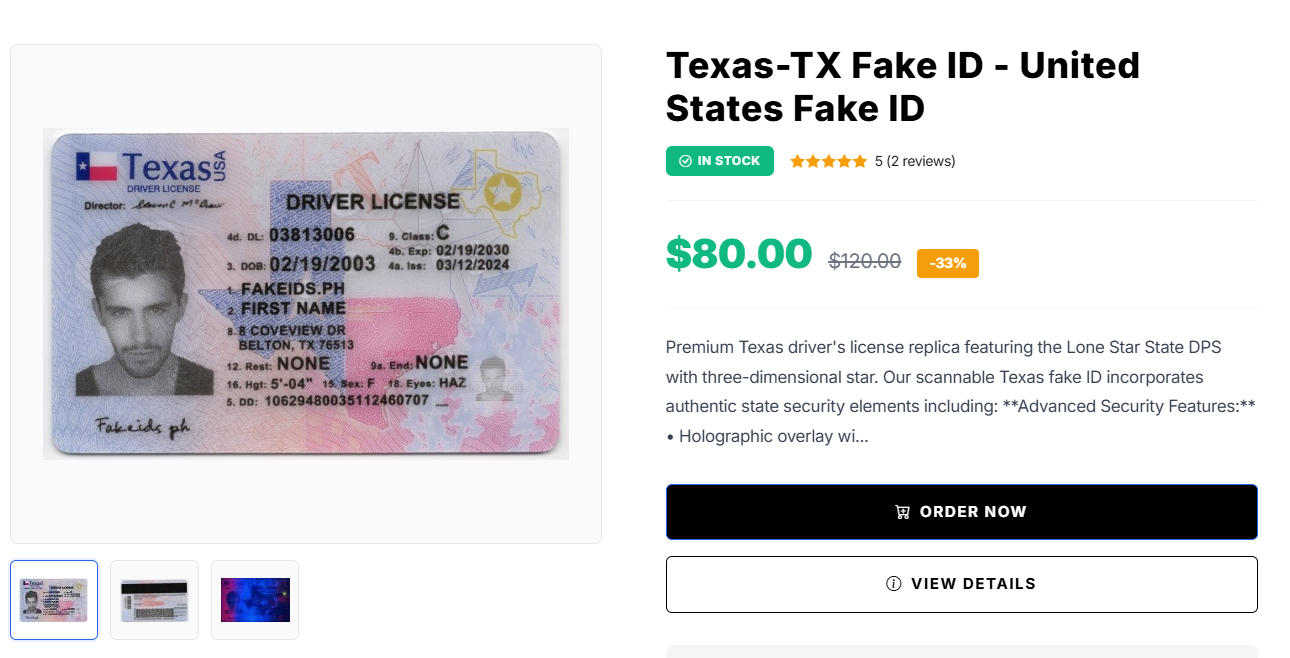
If you’re a parent or student in Texas, you’ve probably heard stories about “fake IDs” at bars, concerts, or campus events. The phrase sounds simple, but Texas law covers several very different situations—from a minor claiming to be 21 to someone altering or manufacturing a government ID. This guide explains the legal definitions, which statutes apply, the typical penalties, and what usually happens next. Educational information only—not legal advice. Last reviewed: 2026-02-06.
Key takeaways
- “Fake ID” in Texas isn’t one crime—it can mean several different offenses, depending on what happened and why.
- Minors who misrepresent age to get alcohol are generally handled under the Alcoholic Beverage Code and face Class C penalties plus possible driver license consequences through DPS.
- Possessing, showing, or lending a fictitious/altered or not‑issued‑to‑you driver license/ID can lead to higher‑level misdemeanors under the Transportation Code.
- Creating, altering, or using a fake government record (like a driver license) with intent to defraud or harm can be a felony under the Penal Code.
- Collateral consequences can include school discipline, scholarship risks, employment background checks, and immigration impacts—talk to a Texas attorney about your specific situation.
What counts as a “fake ID” in Texas?
Think of “fake ID” as an umbrella term. Texas law treats these common scenarios differently:
- Minor misrepresents age to obtain alcohol
- Texas Alcoholic Beverage Code §106.07 defines misrepresentation of age by a minor—for example, falsely stating you’re 21 or presenting any document indicating you’re 21 to obtain alcohol. See the statute text at the Texas Legislature’s site: Alcoholic Beverage Code §106.07 — Misrepresentation of Age by a Minor.
- Penalties for many minor alcohol offenses, including misrepresentation, are set in Alcoholic Beverage Code §106.071 — Penalties.
- Fictitious, altered, or not‑issued‑to‑you driver license/ID
- The Transportation Code prohibits possessing, presenting, or displaying a driver license or identification card that is fictitious, altered, forged, counterfeit, or issued to someone else; it also forbids lending your license to another person. See Transportation Code §521.451.
- “Deceptively similar” identification documents
- Texas also targets cards that look like a Texas DL/ID but aren’t government‑issued. Historically, to avoid being “deceptively similar,” a non‑government card must follow strict formatting and conspicuous “not a government document” legends. Review the current text in Transportation Code §521.453.
- Tampering with a governmental record (including driver licenses/IDs)
- Creating, altering, using, or possessing a false governmental record with knowledge of its falsity—especially with intent to defraud or harm—can lead to felony charges. See Penal Code §37.10 — Tampering with a Governmental Record.
A quick map of Texas fake ID laws (which statute applies when)
- Alcohol access by minors: If the behavior is specifically about a minor trying to get alcohol by lying about age or showing a document that indicates 21, the Alcoholic Beverage Code (ABC §§106.07 and 106.071) usually controls.
- Possession or display of altered/borrowed IDs: If the issue is having or showing a fake, altered, or not‑issued‑to‑you DL/ID, Transportation Code §521.451 often applies.
- Look‑alike “novelty” cards: If the card is not a Texas license but looks like one, Transportation Code §521.453 may apply.
- Manufacturing/altering government IDs or using them to defraud: When the conduct involves creating or altering a government ID (or using a false one) and intent to defraud or harm is alleged, prosecutors can charge Penal Code §37.10—and that can rise to felony levels.
In short, “Texas fake ID laws” cover more than one statute, and the controlling law hinges on the facts.
Penalties at a glance
Note: Classifications and ranges below summarize typical exposure. Always confirm the exact statute language and grading.
|
Conduct (simplified) |
Likely statute |
Typical classification (verify current statute) |
Typical penalties (not exhaustive) |
|
Minor misrepresents age to get alcohol |
ABC §106.07 handled via §106.071 |
Often Class C misdemeanor for many minor alcohol offenses |
Fine up to ~$500; alcohol awareness class; 8–40 hours community service for first offenses; DPS referred license suspension/denial based on offense count |
|
Possess/display fictitious, altered, or not issued to you DL/ID |
Transp. §521.451 |
Frequently charged as Class A misdemeanor (check subsections) |
Exposure up to 1 year in county jail and up to $4,000 fine at Class A |
|
Possess/issue a deceptively similar ID |
Transp. §521.453 |
Misdemeanor (classification varies by conduct—check current text) |
Prohibits cards that resemble a Texas DL/ID unless they meet strict non deceptive requirements |
|
Tamper with a governmental record (e.g., DL/ID) with intent to defraud/harm |
Penal §37.10 |
Often a felony (e.g., third degree) depending on subsection |
Potential prison term (e.g., 2–10 years at third degree) and up to $10,000 fine |
For driver license consequences tied to minor alcohol offenses, see the Texas Department of Public Safety’s overview: DPS — Alcohol‑Related Offenses for Minors.
What typically happens after a citation (high level)
Every case turns on its facts and county practices, but here’s the general arc:
- Alcohol cases involving minors (ABC §§106.07/106.071): First‑time matters are often filed in municipal or justice court. Typical components include a Class C citation, an alcohol awareness course, community service, and a DPS‑processed driver license suspension or denial if adjudicated. Some courts offer deferred disposition for eligible first‑timers; successful completion may reduce the long‑term impact, subject to eligibility and court orders.
- Transportation Code charges (§§521.451/521.453): These are usually handled in county court. Outcomes vary widely based on whether the ID was altered/counterfeit, borrowed, or “deceptively similar,” and whether there are priors or related allegations. Prosecutors may consider diversion, deferred adjudication, or a negotiated plea depending on the facts.
- Penal Code §37.10 (tampering with a governmental record): These cases are serious, especially where intent to defraud or harm is alleged. Expect a more formal criminal process (bond, discovery, possible indictment) and higher potential penalties. Get counsel promptly.
Collateral consequences families should consider
- School and scholarships: Even low‑level misdemeanors can trigger student conduct reviews and threaten scholarships or extracurricular eligibility.
- Employment and licensing: Background checks may surface arrests and dispositions, potentially affecting campus jobs, internships, and later professional licensing.
- Immigration: Non‑citizens should speak with an immigration attorney promptly; document‑related or fraud‑type allegations can have outsized effects.
- Records and cleanup: Some Class C outcomes may be addressed later through mechanisms like deferred disposition and, in certain circumstances, expunction. Eligibility depends on age, offense type, and case outcome.
What parents should do right now
- Talk early and clearly: Explain that Texas fake ID laws cover multiple crimes—not just “borrowing a friend’s ID.”
- If your child is cited or arrested: Avoid statements on the scene; contact a Texas criminal defense attorney.
- Meet court deadlines: Education courses, community service, and fines often have strict timelines; missing them can worsen license consequences.
- Save paperwork: Keep copies of the citation, any court notices, and proof of course completion or community service.
- Ask about long‑term options: Discuss deferral, dismissal, and record‑cleanup possibilities with counsel, where available by law.
FAQs
Q: Does a first fake‑ID ticket for a minor suspend their driver license?
- Often, yes—after adjudication on certain minor alcohol offenses, DPS can impose suspensions/denials that escalate with additional offenses. See the DPS summary at DPS — Alcohol‑Related Offenses for Minors. Details depend on the statute involved and court outcome.
Q: Is borrowing a 21‑year‑old friend’s license a felony?
- Borrowing a real ID that wasn’t issued to you can violate Transportation Code §521.451, which is commonly charged as a misdemeanor. Felony exposure is more likely when conduct fits Penal Code §37.10—such as manufacturing, altering, or using a false governmental record with intent to defraud or harm. Facts and charging decisions matter; talk to an attorney.
Q: Are “novelty” IDs legal if they don’t claim to be a Texas license?
- If the card is “deceptively similar” to a Texas DL/ID, Transportation Code §521.453 may still prohibit it unless it meets the statute’s exact formatting and disclosure requirements. Review the current statutory wording—small design differences are not a safe harbor.
Q: What does “Texas fake ID laws” actually include?
- It’s a search phrase, not a single law. In practice it spans ABC §§106.07/106.071, Transportation Code §§521.451/521.453, and Penal Code §37.10. Which one applies depends on what happened.
This article is for general educational purposes and is not legal advice. Laws change, and outcomes vary by county and facts. If you or your child is involved in a case, consult a licensed Texas attorney. For statute text, start with the Legislature’s official pages: Alcoholic Beverage Code §106.07, §106.071, Transportation Code §521.451, §521.453, and Penal Code §37.10.