You can spot scannable fake ids by staying alert to both visual and digital clues. Accurate detection keeps your business safe and protects your community. Today, nearly half of all people know someone who has used a fake ID, and 71% say getting one feels easy. Young adults use these IDs at liquor stores, for alcohol delivery, and even cannabis dispensaries. Modern fakes use scannable barcodes and UV features, making them harder to catch. In 2025, police in Quebec found almost 1,000 high-quality fake IDs made with professional equipment. You need the latest tools and sharp observation to stay ahead.
-
45% of respondents know someone who has successfully used a fake ID.
-
30% of young adults have considered or purchased a fake ID.
-
71% believe obtaining a fake ID is ‘somewhat easy’ or ‘very easy.’
-
Fake IDs are used at liquor stores (56%), alcohol delivery (20%), and cannabis dispensaries (19%).
Key Takeaways
-
Stay alert for visual red flags like strange text, white-out marks, and mismatched barcodes when checking IDs.
-
Use both manual checks and advanced ID scanners to improve detection accuracy and catch fake IDs effectively.
-
Train your staff regularly on how to spot fake IDs and handle refusals professionally to reduce conflict.
-
Implement a detection checklist that includes both manual and digital checks to stay organized and vigilant.
-
Keep up with new ID features and fraud tactics, such as deepfakes, to enhance your detection strategy.
How to Identify Scannable Fake IDs

Visual Red Flags
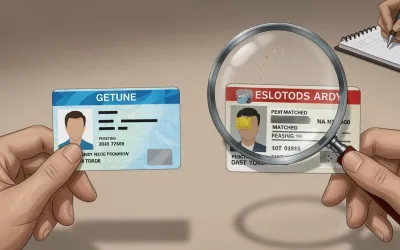
You can spot many scannable fake IDs by looking for visual clues. Start by checking the card for strange disclaimers or odd label text. Look for white-out marks, patch edits, or smudged print. These signs often show that someone has changed the card. Pay attention to the photo border and alignment. If the photo looks unnatural or does not fit well, the ID may be fake. Compare the barcode data with the printed fields. If they do not match, the card is likely not real. Layout spacing that breaks the normal format of IDs is another warning sign.
|
Strange disclaimers or odd label text |
|
White-out marks, patch edits, or smudged print |
|
Unnatural photo borders or poor alignment |
|
Barcode data mismatch with printed fields |
|
Layout spacing that breaks known ID formats |
You should always compare the photo, birth date, and expiry date on the ID to the person presenting it. This step helps you confirm the person’s identity and stops fraudulent use. Security officers and biometric systems use this method to check if the ID matches the person.
Tip: Manual checks are important, but digital ID scanners can catch over 90% of fake IDs. Use both methods for the best results.
Physical Security Features
Genuine IDs use advanced security features to stop counterfeiting. You can check for these features by looking, feeling, and tilting the card. Most real IDs have a multi-layered approach. They use unique printing designs and secure card layouts. These features make it hard for counterfeiters to copy them.
| Security Feature | Description |
| Multi-layered Approach | Combines various security elements to enhance protection against counterfeiting. |
| Unique Printing Designs | Advanced techniques improve resistance to counterfeiting for security documents. |
| Secure Card Design | Involves layout, materials, and personalization to prevent alterations. |
Check for holograms, UV features, and microprinting. Real IDs have holograms that change when you tilt the card. UV features appear only under ultraviolet light. Microprinting is tiny text that is hard to copy. Fake IDs often miss these details or show poor copies.
Note: Genuine IDs use high-quality materials. Fakes often feel lighter, thinner, or rougher.
| Feature | Description |
| Holograms | Genuine IDs have intricate holograms that change appearance when viewed from different angles. Fake IDs may have less detailed or absent holograms. |
| UV Features | Genuine IDs have security features visible only under UV light, while fake IDs may lack these features or have poor-quality reproductions. |
| Microprinting | Authentic IDs include microprinting that is difficult to replicate, whereas counterfeit IDs may have poorly replicated or absent microprinting. |
Common Tampering Signs
You can find tampering signs by checking the card’s surface and edges. Peeling lamination or an unusual texture often means someone tried to change the card. Look for blurry or inconsistent fonts and spacing. These can show that someone altered the text. Suspicious or missing barcode data is another red flag. Outdated or incorrect design elements may also point to a fake ID.
Check the expiration date, signature, and photo for smudging, uneven texture, or mismatched fonts. These areas are common targets for counterfeiters. If you see any of these signs, the ID may not be real.
Alert: Tampering is a clear sign of a fake or altered ID. Always inspect the card closely for any changes.
By following these steps, you can improve your ability to spot scannable fake IDs. Use both your eyes and your hands. Combine manual checks with digital tools for the best results.
Technology & Scanning Tools
Advanced ID Scanners
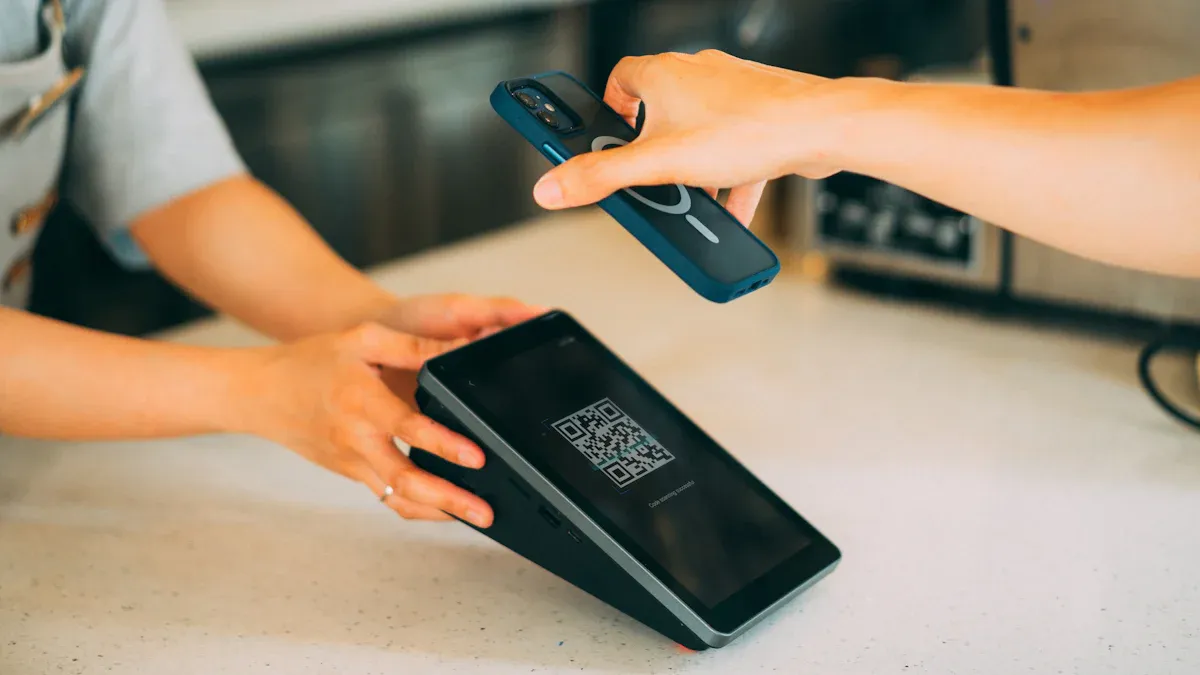
You can use advanced ID scanners to spot scannable fake ids quickly and accurately. These scanners use multiple light sources, such as white, UV, and infrared, to check holograms and watermarks. Facial recognition technology compares the person’s face to the photo on the ID. This step helps prevent the use of borrowed IDs. Many scanners connect to national databases, so you can share information about fake IDs with other businesses. Digital ID verification through QR codes or apps adds another layer of security. High-end scanners analyze micro-patterns and security features that are invisible to the eye. In a recent test, Intellicheck flagged every fake driver’s license, even those that looked real to manual inspectors.
Tip: Use both manual and electronic checks for the best results. Scanners catch fakes that your eyes might miss.
Mobile Verification Apps
Mobile verification apps make ID checks easier and faster. You can use your phone’s camera to scan IDs and capture images. These apps let you customize the scanning process for your business. They flag fake IDs and offer pre-built workflows for different industries. Many businesses now use mobile apps and digital ID wallets because they are efficient and secure. Predictions show that mobile driver’s license verification will become common in the U.S. and Australia.
Note: Mobile apps help you keep up with new threats and improve user experience.
Data Pattern Analysis
Data pattern analysis uses technology to find hidden signs of fake IDs. Advanced algorithms check the layout, fonts, and security features for mistakes. AI systems spot missing holograms or wrong laser patterns. Machine learning models compare fields like date of birth and expiry date to find errors. OCR technology extracts data and checks it against what you see on the card. Semantic segmentation finds altered fonts and misaligned elements. Digital identity engines can detect almost all AI-generated fake IDs right away.
Alert: Combine manual checks with technology for the highest accuracy. Automate where possible, but always inspect the card yourself.
Expert Tips for Detection
Staff Training Essentials
You need to train your staff regularly to spot scannable fake ids. Comprehensive training programs teach employees about key features of real IDs and highlight red flags. Staff should learn how to identify and refuse fake IDs safely and professionally. You can help your team feel confident when refusing service, which reduces conflict. Modern ID scanning technology improves accuracy and efficiency. These scanners support quick checks and reduce human error.
|
Training Method |
Description |
|
Comprehensive Training Programs |
Educate staff about authentic ID features and red flags of fake IDs. |
-
Equip staff with a structured approach for safe and professional refusals.
-
Ensure employees feel confident in their decisions.
-
Update training at least quarterly to keep skills current.
-
Tip: Combine hands-on practice with digital tools for the best results.
Industry-Specific Advice
Different industries face unique challenges when detecting scannable fake ids. Hospitality businesses must prevent underage access to bars and nightclubs. Retail stores deal with fraudulent purchases and returns. Transportation companies protect passenger safety and must verify qualifications.
|
Challenge Type |
Hospitality |
Retail |
Transportation |
|
Security Risks |
Underage access to bars and nightclubs |
Fraudulent purchases and returns |
Compromised passenger safety |
|
Financial Losses |
Fines and reputational damage |
Lost revenue and increased scrutiny |
Fines and penalties for non-compliance |
|
Legal Consequences |
Criminal charges and license suspensions |
Legal repercussions for fraudulent activities |
Legal actions against unqualified access |
|
Evolving Countermeasures |
Adoption of advanced detection technologies |
Need for innovative solutions |
Investment in security technologies |
|
Ethical Concerns |
Public safety issues related to underage drinking |
Accountability in fraudulent activities |
Societal impact of compromised safety |
-
Use multiple methods to verify identity and qualifications.
-
Check site access for training, experience, and safety history.
-
Audit contractors for insurance and credentials.
-
Invest in technology to track worker credentials.
-
Teach staff to recognize signs of fraud.
Creating a Detection Checklist
A detection checklist helps your staff stay organized and alert. Include items that cover both manual and digital checks. Use modern vendors to spot synthetic identities. Quick checklists help staff identify suspicious requests. Set up auto-alerts for unusual activity. Require dynamic video interviews with liveness detection. Integrate deepfake detection tools for real-time verification. Use multi-layer forensics in background checks. Double-source references through trusted networks. Watch for timing anomalies and low-quality video feeds.
|
Checklist Item |
Description |
|
Synthetic ID Detection |
Use vendors specializing in synthetic identity detection. |
|
Quick Checklists |
Implement 'Fake or Fact' lists for suspicious requests. |
|
Auto-Alerts |
Set alerts for significant changes or multiple login attempts. |
|
Dynamic Video Interviews |
Require interactive interviews with liveness detection. |
|
Deepfake Detection Tools |
Integrate real-time verification tools. |
|
AI-Fraud Resistant Screening |
Use multi-layer forensics in background checks. |
|
Double-Source References |
Verify references through direct contacts and trusted networks. |
|
Watch for Timing Anomalies |
Be alert for unusual interview times or low-quality video feeds. |
Note: Studies show that detection checklists alone may not reduce fake ID acceptance. You must combine checklists with ongoing training and technology.
You can spot scannable fake ids more effectively by using a clear protocol and adapting to new fraud tactics. Manual checks are important, but digital tools and AI help you catch mistakes that humans might miss.
You can spot scannable fake IDs by using both technology and careful inspection. Train your staff often and update your tools. Stay alert for new tricks like deepfakes and synthetic identities. Research shows that ongoing training and privacy-aware detection methods improve results.
Tip: Review the table below for key takeaways from recent studies
|
Key Contribution |
Description |
|
Privacy-Aware Methods |
Use patches instead of whole IDs for better privacy and accuracy. |
|
Improved Detection |
New databases and benchmarks help you test and compare detection tools. |
Keep learning about new ID features and update your strategy often.
FAQ
How can you tell if an ID barcode is fake?
Scan the barcode with a trusted ID scanner. If the data does not match the printed information or the scanner shows an error, the barcode is likely fake.
What physical features should you check first?
-
Feel the card for thickness and texture.
-
Look for holograms, UV marks, and microprinting.
-
Check for peeling edges or smudged text.
Do mobile apps help spot fake IDs?
Yes, mobile apps scan IDs and flag suspicious ones. You can use your phone to check barcodes and security features quickly.
Why is staff training important for fake ID detection?
Staff training teaches your team to spot red flags and use scanners correctly. Well-trained staff can refuse fake IDs confidently and protect your business.